

كان يا ما كان أصوات في كل مكان - ورقي
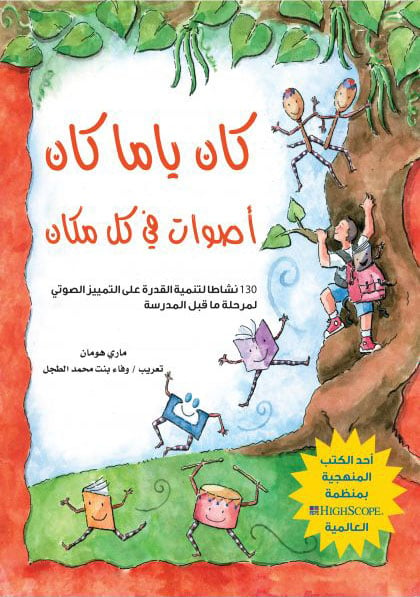
يركز هذا الكتاب على التمييز الصوتي الفونيمي وهو عند خبراء القراءة القدرة على تمييز أصغر الوحدات الصوتية (الحروف بحركاتها) التي تكوّن الكلمات المعروفة،...
المزيد
الوزن
0.26 كجم
رقم الموديل
9786039027126
التوفر في الفروع
اختر الفرع
يركز هذا الكتاب على التمييز الصوتي الفونيمي وهو عند خبراء القراءة القدرة على تمييز أصغر الوحدات الصوتية (الحروف بحركاتها) التي تكوّن الكلمات المعروفة، والتي يعتبر الوعي بها مهارة أساسية لتعليم الأطفال القراءة، ويحتوي على 130 نشاطا لتنمية القدرة على التمييز الصوتي مناسبة وملائِمة للاجتماعات الصغيرة (الحلقات التعليمية) لمرحلة ما قبل المدرسة، ولبرامج رياض الأطفال والتعلم المنزلي، ومراكز رعاية الطفل. بنيت الأنشطة على أحدث الأدلة العلمية لتطوير المهارات اللغوية عند الأطفال لمرحلة التعليم الأكاديمي لكي يكونوا قراءً وكُتاباً ناجحين وواثقين.
- إن صقل قدرات القراءة والكتابة لدى الأطفال تنمية مهارات لغوية محددة تغطيها أنشطة الكتاب لتلبيتها كمنهج تنموي لغوي، حيث أن تجارب الطفل مع التحدث والاستماع في سنوات ما قبل المدرسة تضع الأساس لنجاحه كقارئ في المرحلة الابتدائية، كما أنها تصقل لديه المهارات التأسيسية، للنمو اللغوي وتنمي الخيال والتفكير وحب المعرفة.
- جميع الأنشطة في هذا الكتاب تركز على تمييز المسموعات والملفوظات والتمييز السمعي والبصري للصور والرموز والأحرف وهو الأساس الذي يحتاجه الطفل قبل القراءة.
- هذه الأنشطة سهلة وموجزة لا تحتاج لتدريب خاص للمعلم، أو خامات خاصة بخلاف المتوفر في بيئة التعلم النشط للطفولة المبكرة.
- يقدم هذا الكتاب أنشطة أكثر من كافية لتلائم مقدار 20 ساعة من التدريب على التمييز الصوتي.
- تنقسم هذه الأنشطة من حيث المحتوى إلى خمسة فصول:
– الفصل الأول: التعرف على الأصوات، واستكشاف المواد التي تصدر الأصوات.
– الفصل الثاني: بناء القدرة على تمييز السجع، حفظ مجموعة من الأناشيد والأغاني والقصص التي بها مواطن السجع.
– الفصل الثالث: بناء القدرة على تمييز الجناس الاستهلالي، حفظ مجموعة من أمثلة الجناس الاستهلالي.
– الفصل الرابع: التعرف على الحروف، رسم وخط وكتابة الحروف.
– الفصل الخامس: تنمية القدرة على تمييز أسماء الحروف وأصواتها، نطق سلاسل وتكوينات الحروف.
– بالإضافة إلى أدوات مساندة كقائمة المواد وسجل تقييم الأنشطة وتقييم التطور في قدرات الكتابة والقراءة وحقائق عن علم الأصوات للآباء.
يقع الكتاب في 79 صفحة ويتضمن عناصر تقييم لمستوى تطور الطفل في القراءة المبكرة، مستخدما قائمة سما (COR) من عمر سنتين ونصف إلى ست سنوات. بالإضافة إلى قائمة يدوية لتساعد المعلمين على استمرار متابعة الأنشطة المختبرة والمميزة.
كن أول من يقيِّم هذا المنتج!